


Introduction:
In today's rapidly evolving digital landscape, the role of Chief Marketing Officers (CMOs) is more crucial and complex than ever. Interoperability between marketing strategies and cutting-edge technologies such as Artificial Intelligence (AI) has become a critical element for driving brand success and innovation. Drawing on insights from my WARC articles and Stephan Pretorius at NVIDIA GTC, this analysis explores how modern CMOs can transcend traditional boundaries to become visionary system designers and creative leaders, harnessing the power of AI to reshape the marketing paradigm.

1. The Importance of Interoperability for CMOs
Overview:
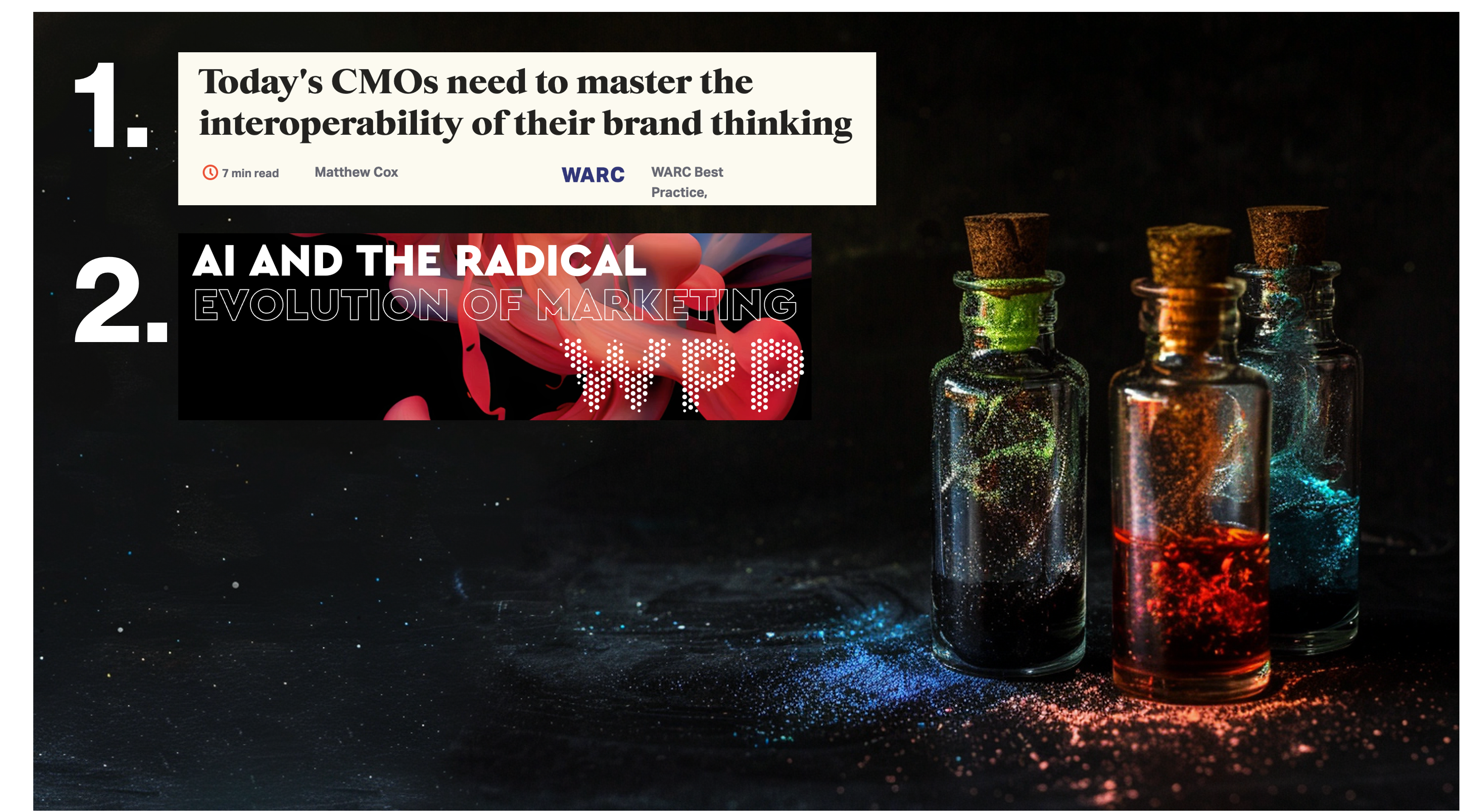
The concept of interoperability in marketing transcends mere technological integration, touching upon the holistic alignment of brand strategies across all channels and touchpoints. According to the WARC Best Practice guide (October 2023), today’s CMOs need to blend traditional branding acumen with a profound understanding of technology to create a unified and effective brand narrative.
Key Insights:
Strategic Cohesion - Interoperability mandates a seamless alignment of marketing activities across various platforms, ensuring that every touchpoint reflects the brand’s core message and values consistently.
C-Suite Synergy - A significant challenge for CMOs highlighted in the article is their struggle to demonstrate the strategic value of marketing to other C-suite executives. Leveraging interoperability can enhance their ability to showcase tangible ROI from marketing initiatives.
Technological Integration - Embracing advanced technologies is not just about upgrading tools but integrating them deeply into the strategic fabric of marketing to enhance reach and resonance.
Key Takeaways:
Unified Brand Experience - CMOs should ensure that brand strategies are not only conceived but executed with a high degree of integration across all consumer touchpoints to maintain consistency and maximize impact.
Enhanced Collaboration - Building robust relationships within the C-suite by demonstrating how marketing strategies drive clear business outcomes is essential.
Learning from Leaders - Analyzing and adopting strategies from brands like Disney and Nike, which have successfully implemented interoperable systems, can provide valuable lessons in holistic brand strategy execution.
2. The Importance of Interoperability for AI
Overview:
Stephan Pretorius’s insights from the NVIDIA GTC emphasize AI's transformative role in marketing, particularly through its capability to enhance data analysis and decision-making processes. AI promotes a new level of marketing interoperability, enabling personalized, dynamic, and timely interactions with consumers.
Key Insights:
Data Optimization - AI excels in processing vast amounts of data to derive insights that can significantly fine-tune marketing strategies, making them more aligned with consumer expectations.
Real-time Adaptability - AI enables marketers to adapt strategies in real time, responding swiftly to consumer behavior and market trends, thus maintaining relevance and engagement.
Personalization at Scale - Through AI, brands can achieve a high degree of personalization in their marketing campaigns, addressing individual consumer preferences and needs efficiently.
Key Takeaways:
Invest in AI Capabilities - CMOs should prioritize investments in AI to harness its full potential in analyzing consumer data and optimizing marketing strategies.
Foster Agile Marketing Practices - Utilize AI’s capabilities to adapt marketing strategies swiftly and effectively, ensuring that the brand remains dynamic and responsive to market changes.
Enhance Consumer Engagement - Leverage AI to deepen engagement through personalized and contextually relevant consumer interactions, driving loyalty and satisfaction.
3. How CMO and AI Interoperability Plays into the Future of CMOs' Ability to Experiment and Be Creative
Overview:
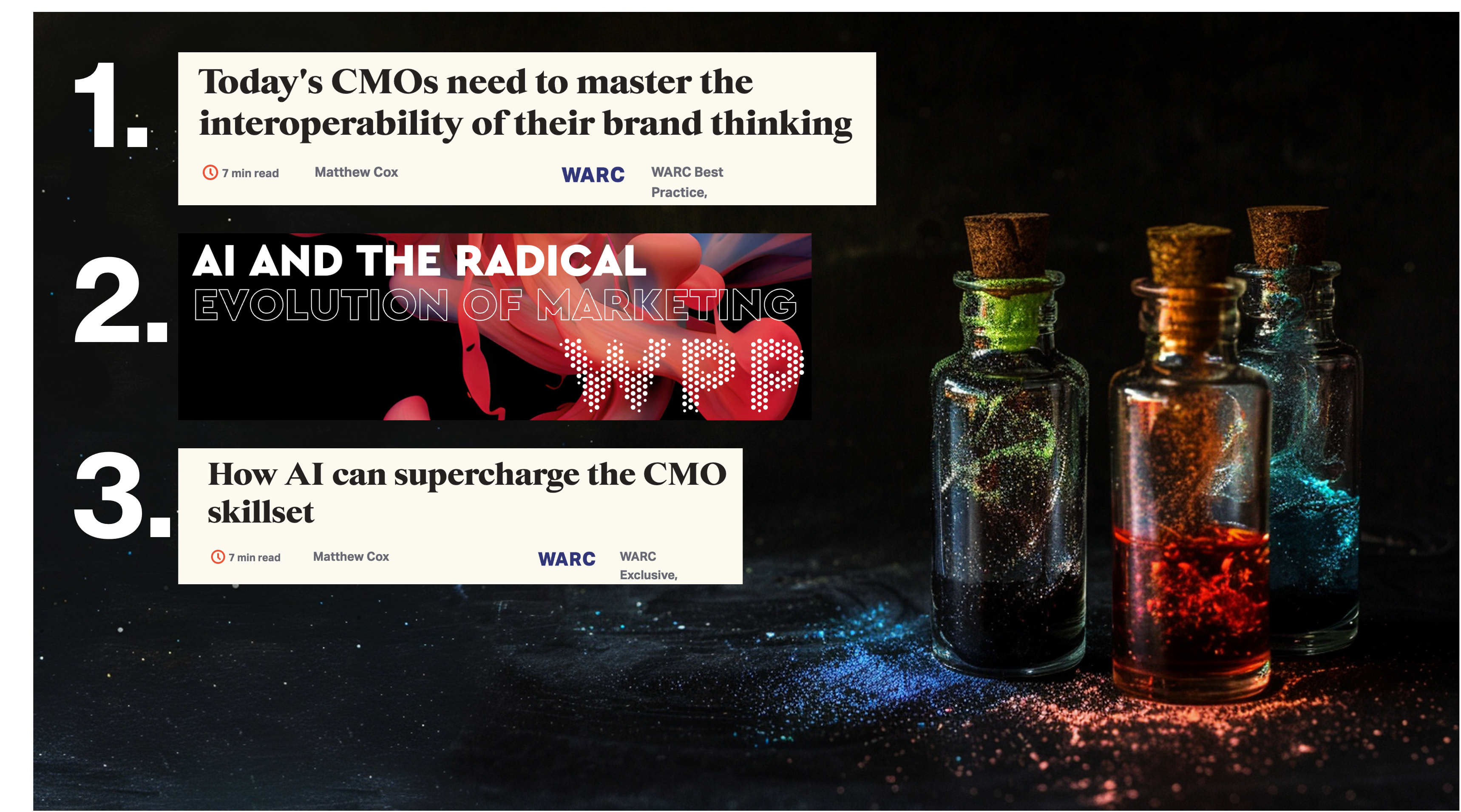
The integration of AI with marketing strategies not only streamlines operations but also opens up new possibilities for creativity and innovation, as detailed in the December 2023 WARC Exclusive article. AI’s analytical prowess, combined with the creative vision of CMOs, can lead to the development of marketing strategies that are both effective and inventive.
Key Insights:
Creative Experimentation - AI enables a level of experimentation that was previously unfeasible, allowing CMOs to test and refine numerous strategies quickly.
Breaking Down Silos - Effective AI integration helps dismantle operational silos by synchronizing efforts across departments, enhancing the overall strategic coherence and execution.
Strategic Flexibility - AI supports a more flexible, responsive approach to marketing strategy development, allowing for rapid adjustments based on real-time data and feedback.
Key Takeaways:
Embrace Experimentation - CMOs should leverage AI’s capabilities to experiment with bold, innovative marketing tactics and personalized consumer interactions.
Integrate AI Deeply - Ensure that AI tools are fully integrated across the marketing function to break down silos and foster a more collaborative environment.
Continual Learning and Adaptation - Stay informed about the latest AI developments and continuously adapt strategies to leverage cutting-edge technologies effectively.
Conclusion and Next Steps
For CMOs to thrive in the modern marketing landscape, embracing interoperability between AI and marketing strategies is imperative. This not only enhances operational efficiency but also fosters innovation and creativity, positioning brands at the forefront of consumer engagement and competitive differentiation. By understanding and implementing these principles, CMOs can ensure their brands not only adapt to the digital age but lead it.
Next Steps:
Enhance AI Training and Integration - Deepen the understanding and integration of AI within marketing teams to maximize its strategic benefits.
Develop Cross-Functional Teams - Encourage the formation of cross-functional teams that leverage diverse insights and expertise, enhancing the implementation of interoperable strategies.
Innovate Continuously - Maintain a commitment to innovation by regularly testing new technologies and strategies, ensuring the brand remains relevant and resonant with evolving consumer expectations.