


Introduction
In today’s tech-driven world, the misconception that branding is irrelevant or outdated persists among startups and tech giants alike. Many founders believe that superior technology is all that’s needed for success, overlooking the immense value of storytelling, emotional connection, and strategic branding. This misunderstanding is driven, in part, by the egos of founders who believe their products will naturally stand out because of their intelligence and innovation.
This mindset, however, is dangerously shortsighted. Even respected figures like Scott Galloway have declared that “the era of brand is dead”—but the truth is more nuanced. Galloway’s assertion isn’t about the death of branding itself but about the outdated traditional brand models that relied on projecting stories via TV or traditional media, regardless of product quality. Today’s modern branding has evolved. In a fragmented media ecosystem, with empowered consumers, a compelling story can still be a company’s greatest asset. Technology alone no longer creates a sustainable competitive moat. Instead, branding—especially modern, lean branding—remains crucial in differentiating products and building meaningful, lasting customer relationships.
The Ego of Tech Founders and the Myth of Product-Led Growth
There’s a persistent myth in the tech industry that building a great product will automatically bring success. Many founders believe that their technological genius should speak for itself, dismissing the need for branding or marketing as unnecessary, assuming those efforts are only needed by companies with weaker products. This "godlike ego" is especially prevalent in startups, where product-led growth becomes the singular focus, with little thought given to deeper customer connection.
This mindset is fundamentally flawed. While product-led growth can drive initial momentum, it is not a long-term strategy. Even the most advanced technologies can be commoditized, as we’ve seen in industries like software, and cloud computing. If you’re not building a brand alongside your product, you risk being replaced by the next iteration of innovation—or even by AI-generated tools like GPT or Claude.
Tech leaders often overlook that companies like Apple, Tesla, and Google didn’t rise to prominence solely on the strength of their products. They succeeded because they created compelling brands that resonated with customers on an emotional level. Apple’s innovation is paired with a brand that stands for simplicity, design, and status. Tesla’s groundbreaking technology is married to a brand identity built on boldness, environmental responsibility, and forward-thinking mobility-or if you really want to buy into the Tesla brand, they are a robotics company and therefore trade at a multiple beyond any other car company (but that can be an extended topic for another time). Basically, these companies understand the power of branding in creating not just customers, but passionate advocates.
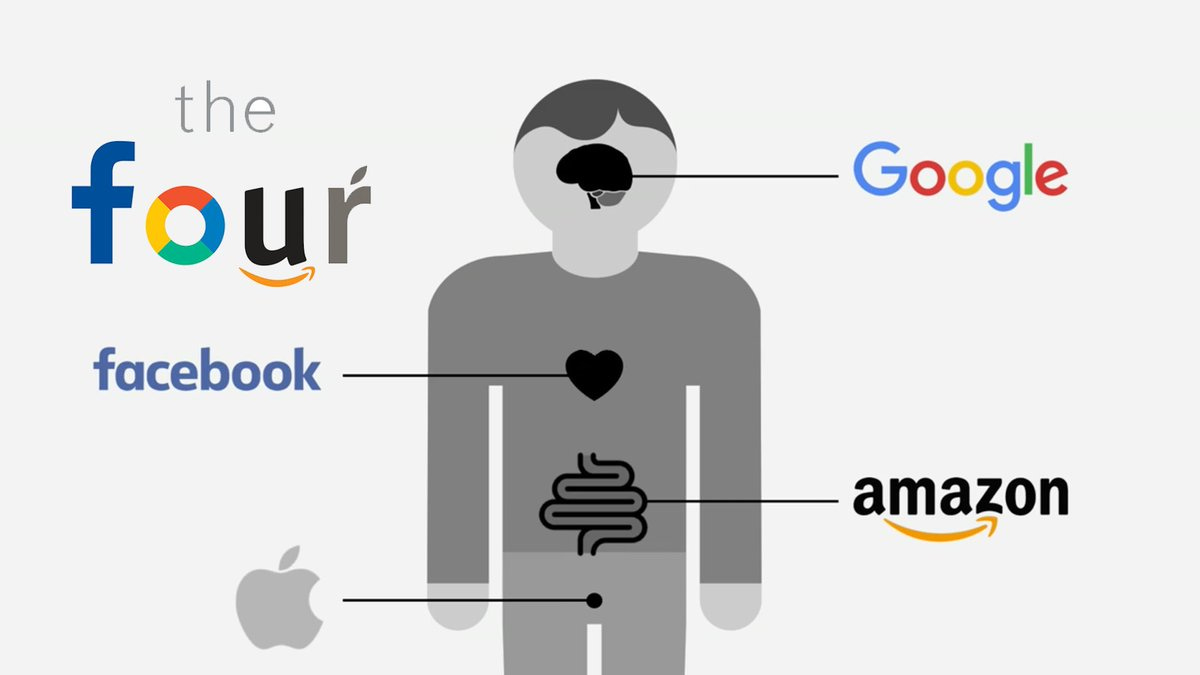
Scott Galloway frames this well when he discusses how the Big Four tech companies meet core human needs:
· Google appeals to our brain, delivering instant answers.
· Facebook taps into our heart, fulfilling the need for social connection.
· Amazon satisfies our endless consumer appetite.
· Apple plays to our desire for status and luxury, signaling that we are worthy suitors.
For startups, the lesson is clear. While they are pulled in many directions and resources are often tight, overlooking branding leaves them vulnerable to becoming commoditized in a crowded marketplace. As I’ve said before: if you are not a brand, you are a commodity waiting to be replaced by the next technological artifact.
The Fallacy of "Brand is Dead" and Galloway’s Contradiction
Scott Galloway’s statement that “the era of brand is dead,” as proclaimed at Cannes, reflects a broader misunderstanding of modern branding. His point isn’t that branding no longer matters—it’s that the old-school method of branding, where you could take a mediocre product, amplify its story through TV and old media, and win, is no longer viable. Today’s crowded ecosystem, full of channels and empowered consumers, requires a different approach.
Yes, capital is being reinvested in operational elements like supply chains to ensure product quality, but that doesn’t mean branding is obsolete. Rather, this shift reflects what modern branding has become. Consumers today have the power to find out if a product is truly good. The era where a weak product could be propped up by heavy advertising is gone. But storytelling, especially across the fragmented media landscape, is more essential than ever.
Galloway himself highlights the importance of storytelling as the most critical skill for the future. And that’s exactly what modern branding is about: crafting an authentic, compelling narrative that resonates emotionally with your audience, across multiple touchpoints. The contradiction in his messaging is in how he defines branding: he focuses on outdated forms while underestimating the potential of today’s lean, dynamic branding models that work in harmony with product excellence.
Goodbye, Old-School Branding. Hello, Innovation.
This shift brings us to The Lean Brand by Jeremiah Gardner, one of my favorite books on branding, which remains just as relevant today as it was 10 years ago. Gardner introduces a modern approach to branding, well-suited to today’s tech innovators and startup founders. The Lean Brand applies the lean startup methodology to branding, empowering companies to experiment, iterate, and discover value-based relationships with their audience.
I came across Jeremiah Gardner after I worked on my first branding project and none of the traditional methodologies I was given resonated with me. I never looked back.
Traditional branding methods, where brand experts create an identity in isolation, don’t hold up in the fast-paced, ever-evolving tech world. Innovation and lean principles are now at the heart of effective branding strategies.
Gardner’s approach encourages founders to move past their egos and realize that even the most groundbreaking technology might not be enough on its own. The lean branding model is about constant discovery and iteration, testing what resonates with consumers and adjusting accordingly. This allows companies to eliminate the waste of building a brand no one wants a relationship with.
The Lean Brand framework offers practical strategies for integrating branding into product development and customer engagement. It emphasizes the need for meaningful, ongoing relationships rather than one-off campaigns, continuously discovering what your audience values most.
Why Technology Isn’t a Moat—But Brand Can Be
Many in the tech industry still cling to the belief that technology creates an impenetrable moat around their business. This is a fallacy. Technology alone is no longer enough to differentiate companies in today’s rapidly evolving landscape. Most innovations can be replicated, and even the most advanced products are at risk of being outpaced by newer, better solutions.
What truly sets companies apart is their brand. A brand builds trust, creates loyalty, and becomes a lasting differentiator. Without it, a company risks being nothing more than a fleeting player in the tech ecosystem, easily replaced by the next big thing.
Modern branding—through authentic storytelling—ensures that your product is not just another option, but the option for consumers. It’s about crafting a narrative that taps into cultural relevance, speaks to the emotional needs of the customer, and defines your company’s role in the world.
Conclusion
The tech industry’s tendency to undervalue branding is a dangerous blind spot. Founders often fall into the trap of believing that their products alone are enough, driven by a focus on product-led growth and their own technical genius. However, technology alone cannot build a sustainable competitive advantage. In an era where advancements can be rapidly copied, it’s the brand—the storytelling, emotional connection, and loyalty—that endures.
The Lean Brand by Jeremiah Gardner offers a clear, actionable framework for today’s startups and tech innovators to follow. It’s not about having a singular brand genius; it’s about empathy, experimentation, and iteration. Modern branding is not about running high-budget ad campaigns—it’s about continuously learning from your audience and shaping an authentic narrative that resonates with them.
Scott Galloway may be right that the old model of branding is dead, but that doesn’t mean branding itself has lost its power. Quite the opposite—modern branding, rooted in storytelling, is more important than ever. Embrace lean branding, innovate, and build relationships with your audience, or risk being replaced in the blink of an eye by the next technological advancement.