


Introduction
For decades, human labor and traditional economic models have been limited in what they could achieve. Certain tasks were deemed too complex, too expensive, or simply not feasible to perform at scale. But with the rise of Artificial Intelligence (AI), the paradigm is shifting. AI is doing more than just optimising existing processes; it's enabling entirely new ones that were previously impossible due to the constraints of manual labor or economic impracticality.
In this article, we explore 8 examples of tasks that had no economic model before AI. The first four are real, existing applications where AI is already transforming industries. The second four are emerging possibilities that, while not fully realised yet, could dramatically reshape sectors where human labor falls short.
REAL
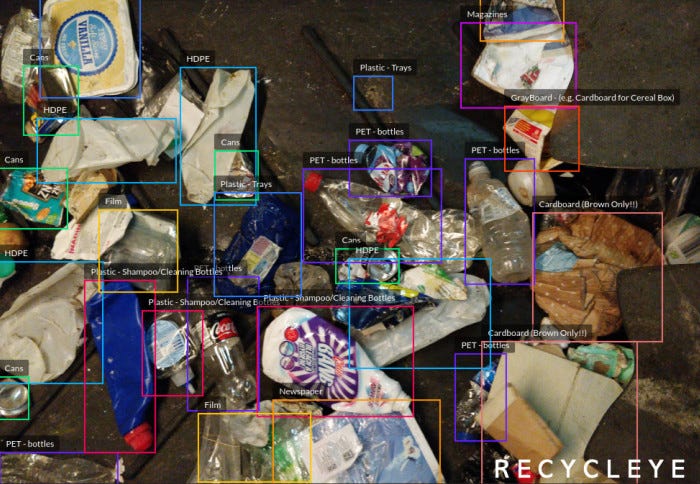
1. AI in Recycling: Sorting Plastics and Materials
Recycling materials like plastics was once economically unfeasible due to the labor-intensive sorting process. However, AI-powered robots can now detect, identify, and sort various materials in real-time, reducing labor costs and improving efficiency. The result is that recycling becomes not only possible but profitable.
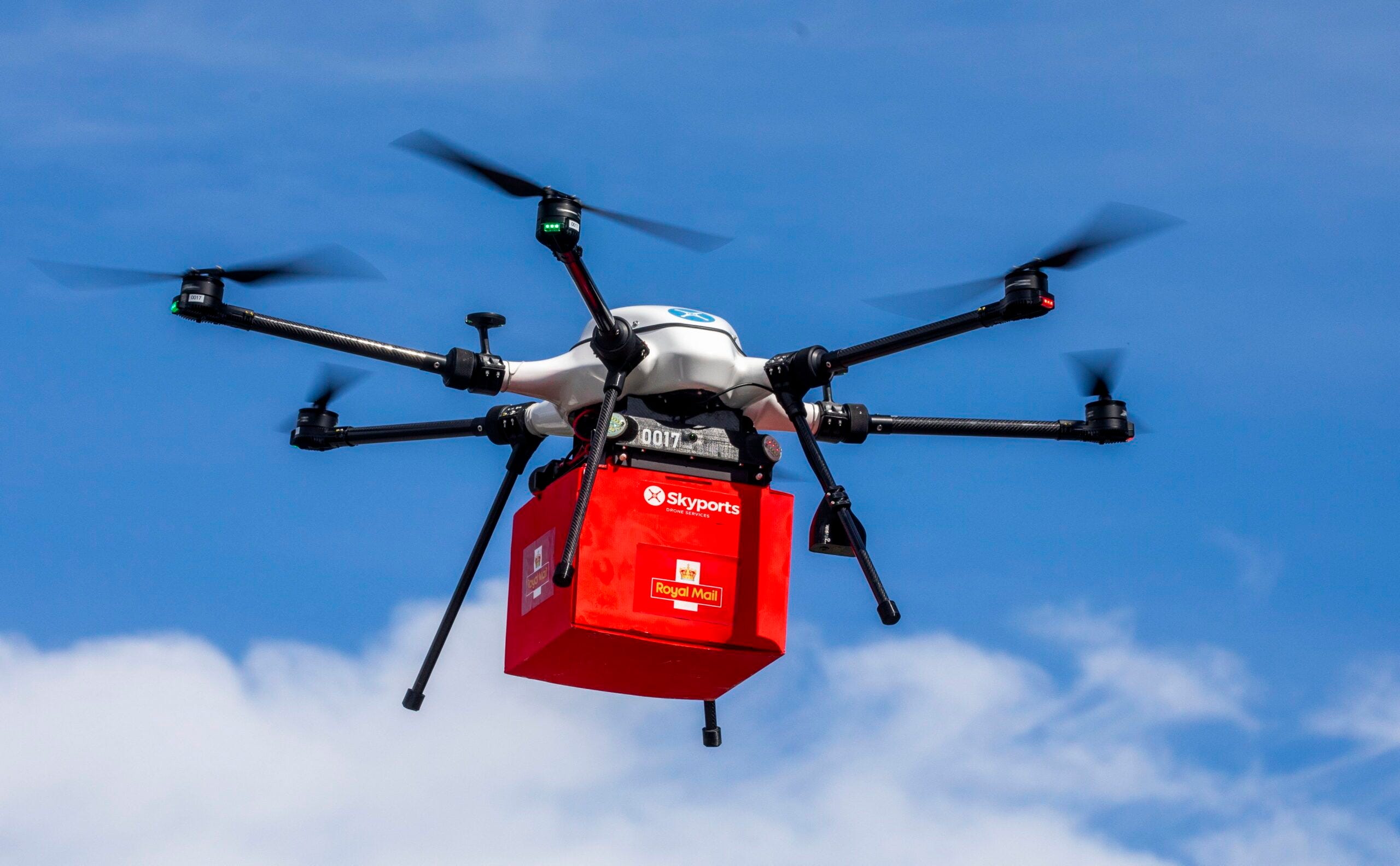
2. Autonomous Drone Delivery in Remote Areas
In many parts of the world, delivering goods to remote or rural areas was expensive and logistically challenging. AI-powered drones are solving this problem by delivering packages, medical supplies, and other goods in hard-to-reach locations. This technology significantly reduces costs and opens up new markets for logistics companies.
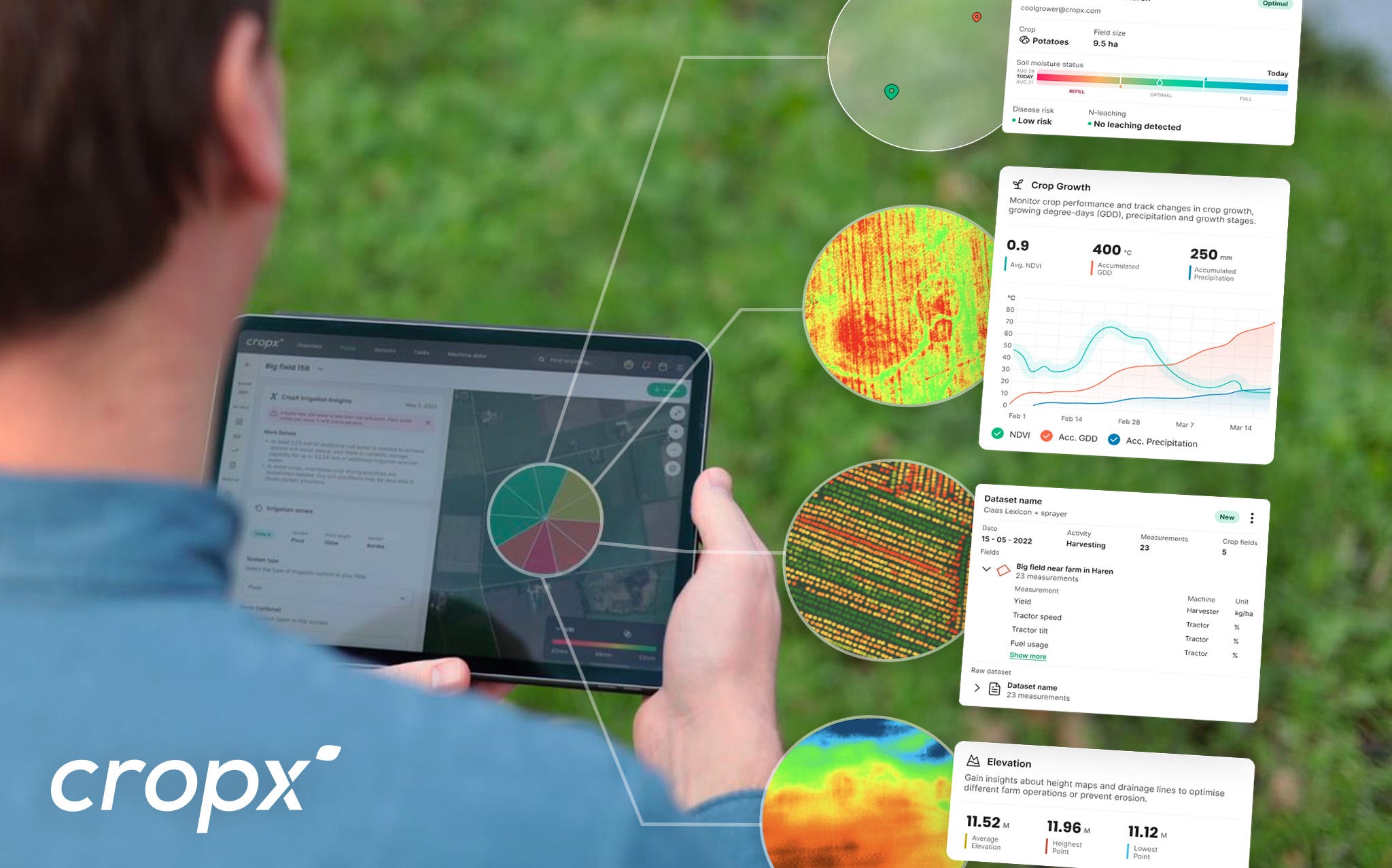
3. AI in Precision Farming: Optimizing Crop Yields
Traditional farming often involves trial-and-error and relies heavily on manual labor. AI is revolutionising agriculture by analysing vast datasets on soil health, weather patterns, and crop behavior to optimise yield. This reduces the need for labor-intensive monitoring and allows farmers to make informed decisions that increase profitability.
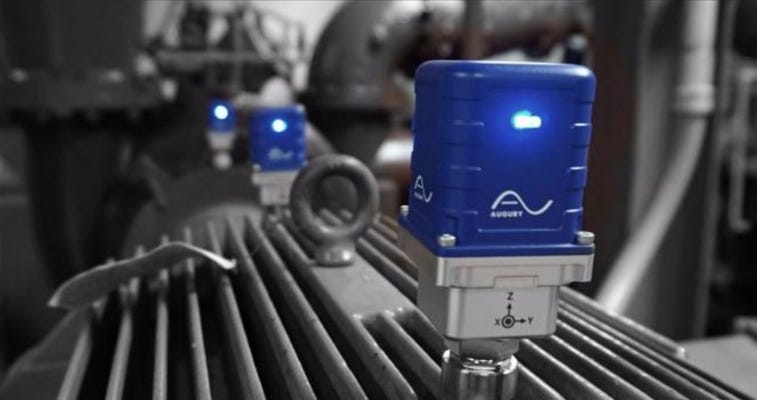
4. AI-Driven Predictive Maintenance in Manufacturing
In manufacturing, equipment downtime can lead to costly delays. Before AI, predicting when a machine might fail was largely guesswork. Now, AI can analyze machine data in real-time to predict failures before they happen, reducing downtime and maintenance costs while improving overall efficiency.
FUTURE
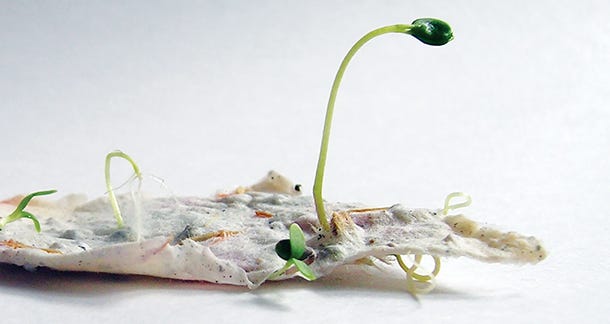
5. AI in Biodegradable Packaging Production
What if AI Could Make Sustainable Packaging Affordable? The shift to biodegradable packaging has been slow due to high costs. What if AI could optimise the production of eco-friendly materials, reducing costs and scaling up mass production? This would make sustainable packaging viable for businesses that previously couldn’t afford it, accelerating the move toward a greener future.
6. AI-Enhanced Interspecies Communication
What if AI Could Let Us Talk to Animals? Decoding animal communication has been a long-held dream, but human research struggles with the vastness of bio-acoustic data. What if AI could analyze sound waves, body language, and behavior to help us communicate with dolphins, birds, or even our pets? This breakthrough could create new opportunities in wildlife conservation, pet training, and even interspecies collaboration, revolutionizing our understanding of the animal world.
7. AI-Fueled Human-Plant Communication Networks
What if AI could decode and facilitate communication between humans and plants? Leveraging bio-electrical signals and AI’s pattern recognition capabilities, humans could “talk” to plants, understanding their needs for water, nutrients, and even emotions. Entire networks could be set up to manage large-scale agriculture, forests, and urban greenery, with plants essentially being able to communicate with humans directly to optimise care. This could lead to a revolutionary shift in how we interact with nature, creating eco-economies where AI brokers communication between plants and humans, optimising the health of entire ecosystems.
8. AI-Generated Synthetic Consciousness for Dream Collaboration
What if AI could create synthetic consciousness that joins you in your dreams? Imagine being able to "invite" AI-generated companions, mentors, or even historical figures into your dreams, designed to help you work through personal issues, generate creative ideas, or solve complex problems. These AI entities would interact with your subconscious, guiding you through vivid dreamscapes while giving you insights that you couldn't achieve in your waking state. Dream collaboration with AI could birth entirely new forms of therapy, creativity, and education, where humans and machines co-create in the realm of the subconscious.

Conclusion
AI isn’t just about replacing existing jobs or optimizing current processes—it’s about enabling entirely new economic models that were previously unimaginable. From transforming recycling into a profitable enterprise to opening up possibilities in agriculture, conservation, and even human-plant communication, AI is reshaping industries that human labor couldn’t sustain economically.
However, these examples are just the tip of the iceberg. The real power of AI lies in its potential to unlock entirely new sectors, tasks, and opportunities that were once thought impossible or too costly to pursue.
What other tasks might AI unlock that were previously beyond our reach? Whether they already exist or are just on the horizon, I’d love to hear your thoughts. What are some new economic models AI could enable that we haven’t even thought of yet?