


For twenty years, our industry has been moving in a single direction.
More data. More measurement. More optimisation. More attribution. More certainty. More dashboards. More performance.
Every year, we got better at turning marketing into a machine. The promise was seductive: if we could measure everything, we could improve everything. And for a while, it worked.
But I’ve started to wonder whether we’re approaching the limits of that model. Whether AI doesn’t simply accelerate the machine-but forces us to rediscover what made marketing valuable in the first place.
Based on my own observations of the industry, conversations with leaders across media and technology, and reflecting on where AI is taking us, I keep returning to one question:
What happens when the machine becomes better than us at everything we spent the last twenty years optimising?
That question may define the next decade of marketing. And to think clearly about it, I’ve found it useful to borrow a tool from the field of futures studies.
A Framework for Thinking, Not Predicting
The futurist Jim Dator famously argued that any useful statement about the future should appear ridiculous. If a vision of tomorrow feels comfortable and obvious, it’s probably just a flattering description of today.
Dator’s contribution was to notice that almost every serious attempt to imagine the future falls into one of four broad archetypes:
Continuation - today’s trends simply keep going
Collapse - the current system breaks down
Discipline - society imposes deliberate limits
Transformation - a fundamental shift changes the rules entirely
The point of these archetypes is not to predict which one is correct. None of what follows is a forecast. They are lenses for thinking-a way to stress-test our assumptions.
So instead of asking what will happen, let’s ask a better pair of questions:
What if each of these futures came true? And how should marketers think and act today, regardless of which one emerges?
Because strategy was never about being right about the future. It’s about being prepared for multiple futures while staying clear about the one you actually want to build.
Future One: Continuation
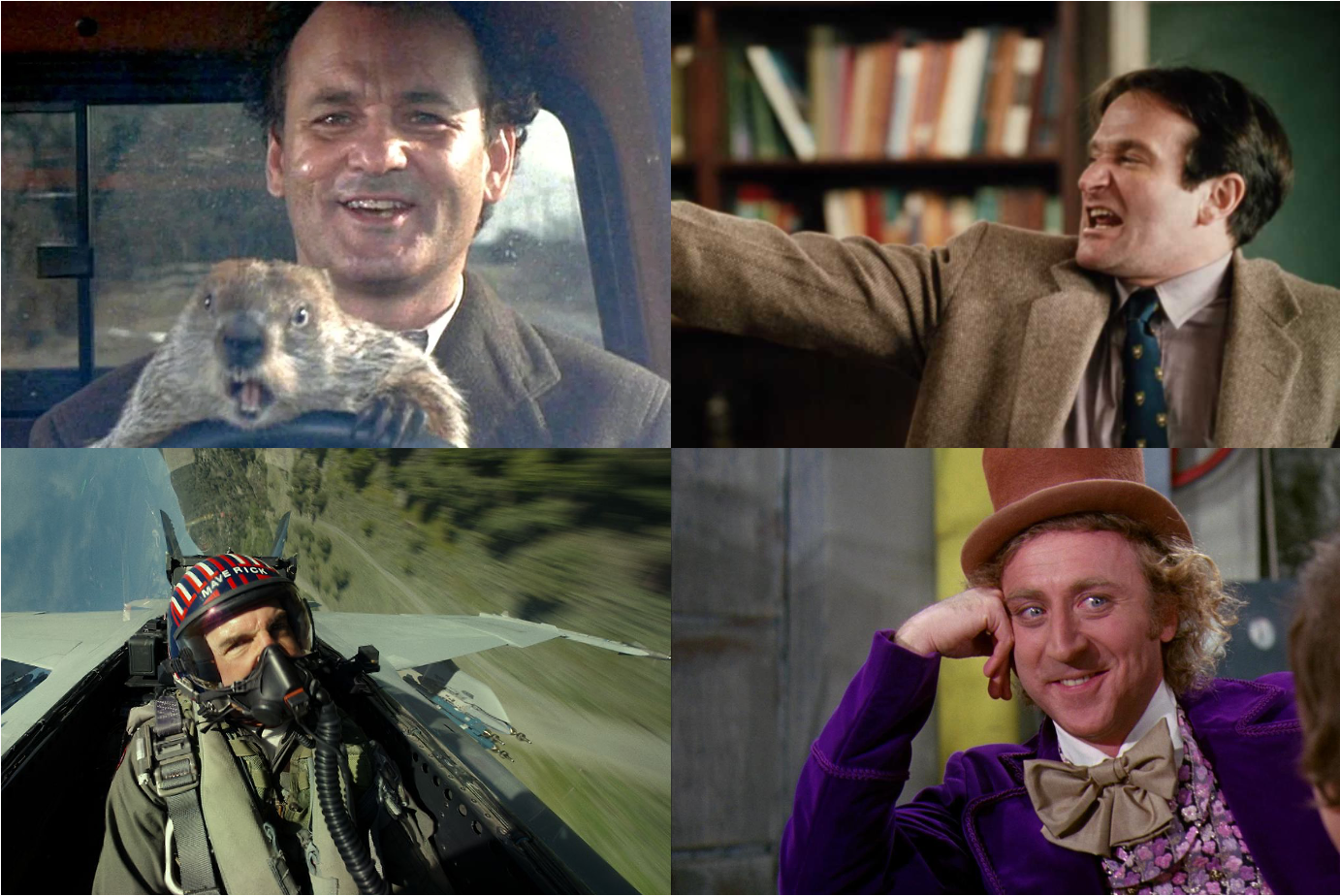
Groundhog Day: When marketing becomes repetitive operations.
[Image: Phil, Groundhog Day]
Wake up. Same day. Same playbook. You already know exactly what comes next.
The first future is the easiest to picture, because it’s simply an extension of the road we’re already on.
Everything becomes more optimised. More measurable. More automated.
AI agents talk to AI agents. Media plans generate themselves. Creative is produced automatically. Audience selection, optimisation, buying, measurement, reporting… all automated. The marketer slowly becomes a supervisor of systems rather than a creator of ideas.
In this future, the dream the platforms (Zuck) have been selling for years finally arrives. A marketer enters four inputs:
Business objective
Audience
Budget
KPI
The system does everything else. The campaign appears. The media runs. The optimisation happens. The results are delivered. The entire ecosystem becomes a black box.
This is the logical endpoint of performance marketing. The perfect machine. The ultimate spreadsheet. The culmination of decades of work.
And from a business perspective, it looks attractive. Costs fall. Efficiency rises. Speed increases. The system gets smarter every single day. For many organisations, this will genuinely feel like progress, and in some categories, it will be.
But here is the problem.
It’s the Groundhog Day problem. The machine is so good at predicting what works that it keeps serving you the same winning day, over and over. And if everyone is waking up to the same forecast, running the same play, optimising toward the same answer - everyone eventually starts to look the same.
The machine is excellent at optimisation. It is terrible at originality. Optimisation follows patterns; growth usually comes from breaking them. When every brand is trained on the same datasets, measured against the same KPIs, running the same AI, buying through the same platforms - differentiation collapses.
The machine becomes brilliant at producing the average. And average rarely creates category leadership. It creates category participation.
When marketing becomes operations.
In this future, the role itself changes. The marketer becomes less strategist and more systems manager. Less storyteller, more operator. Less creator, more supervisor.
The industry’s obsession with certainty reaches its peak. Every decision must be justified, every action measured, every outcome explained, every dollar attributed. The CFO finally gets what they always wanted: perfect visibility, perfect accountability, perfect logic.
The irony is that this may be the exact moment marketing becomes least valuable. Because if everything is systematised, automated, and optimised - what is left for humans to do?
In the film, Phil only escapes the loop when he stops optimising the same day and starts doing something genuinely different… The way out of Continuation was never a better forecast. It was the decision to break the pattern.
The same logic can only take you so far… and the creative industry is about going beyond the edge.
If you don’t understand the relevance of the clip below - it’s ‘Edge of Tomorrow’ - a very underrated remix of Groundhog Day. It is a top tier Tom Cruise performance, need I say more. More Tom Cruise coming soon.
Future Two: Collapse
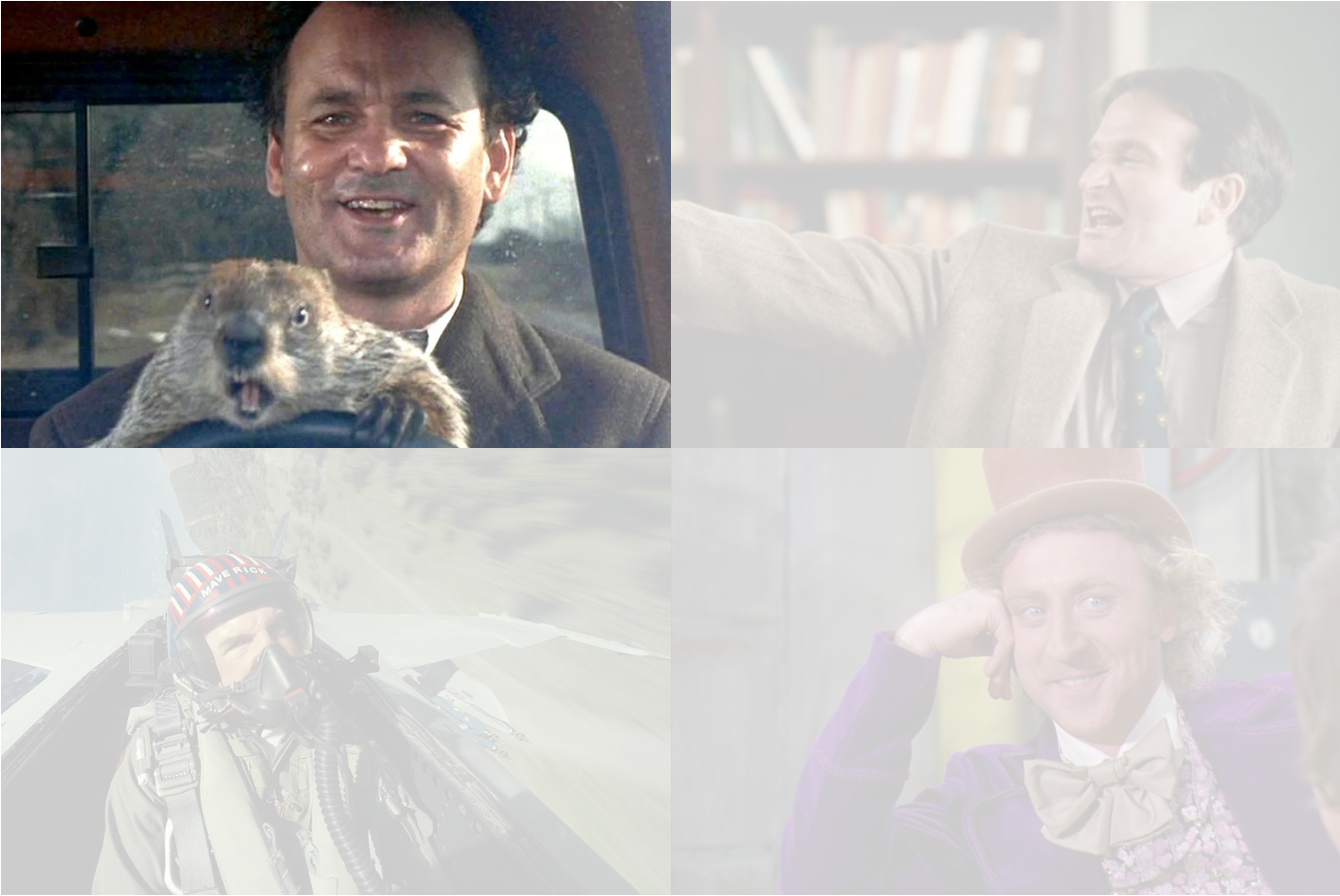
Dead Poets Society: The funnel logic gets ripped up.
[Image: John Keating, Dead Poets Society]
They tried to measure how it makes you feel on a graph. Rip it out.
Collapse doesn’t have to mean catastrophe. It means the current system stops working. The assumptions underneath it break. The logic hits diminishing returns.
This future begins with a quiet realisation: everyone is using the same playbook.
Every brand optimises. Every brand retargets. Every brand personalises. Every brand runs performance campaigns. Every brand uses AI. Every brand follows best practice.
But eventually best practice becomes common practice - and common practice stops being an advantage. The performance era reaches saturation. The gains turn incremental. The differences turn marginal. The returns get harder and harder to find.
This is the moment from Dead Poets Society, when the textbook tries to plot the greatness of a poem on a graph and Keating tells the class to rip the page out. Because the things that actually matter were never going to fit on the chart.
That’s the collapse. Not a failure of measurement, but the discovery of its ceiling. The realisation that the value worth having has been hiding precisely where the dashboard couldn’t see it. The advantage no longer comes from finding a smarter metric. It comes from trusting what the metrics were never able to hold.
At precisely the same moment, consumers become overwhelmed. Not by advertising itself, but by abundance. Too many choices, too many recommendations, too many options, too many messages, too much optimisation.
The result is decision fatigue. People start seeking shortcuts. They want fewer choices, not more. Trusted recommendations, not endless options. Clarity, not complexity.
This flips the central question for brands. For years we asked how to win the keyword, the impression, the click, the auction. Now the question becomes:
Can you win consideration before the search even begins?
The funnel collapses.
This becomes most visible through AI search and large language models.
Traditional search rewarded visibility. Future search rewards narrative. Brands used to compete to rank for keywords; increasingly, they compete to become part of conversations.
That distinction matters enormously. A keyword strategy can be purchased. A narrative strategy must be earned.
In an LLM-driven world, consumers ask questions. The system synthesises an answer. It narrows the options. It reduces the choice. The funnel compresses. Brands no longer compete for ten blue links - they compete for inclusion in a recommendation set of one or two.
The implications run deep:
Being known becomes more important than being found. Being memorable becomes more important than being discoverable.
Brand becomes a retrieval system. And suddenly, all the things marketers struggled for years to measure become strategically critical again: trust, reputation, narrative, meaning, cultural relevance, community.
These were the lines no one could plot on the graph-and they turn out to be the ones that decide everything. The very things performance marketing pushed to the margins come roaring back to the centre.
Marketing can be a noble profession… to make someone feel something, to amplify passion that is what we should strive for. We may not be poets, but we also shouldn’t be some of the least trusted professionals on the planet.
Future Three: Discipline
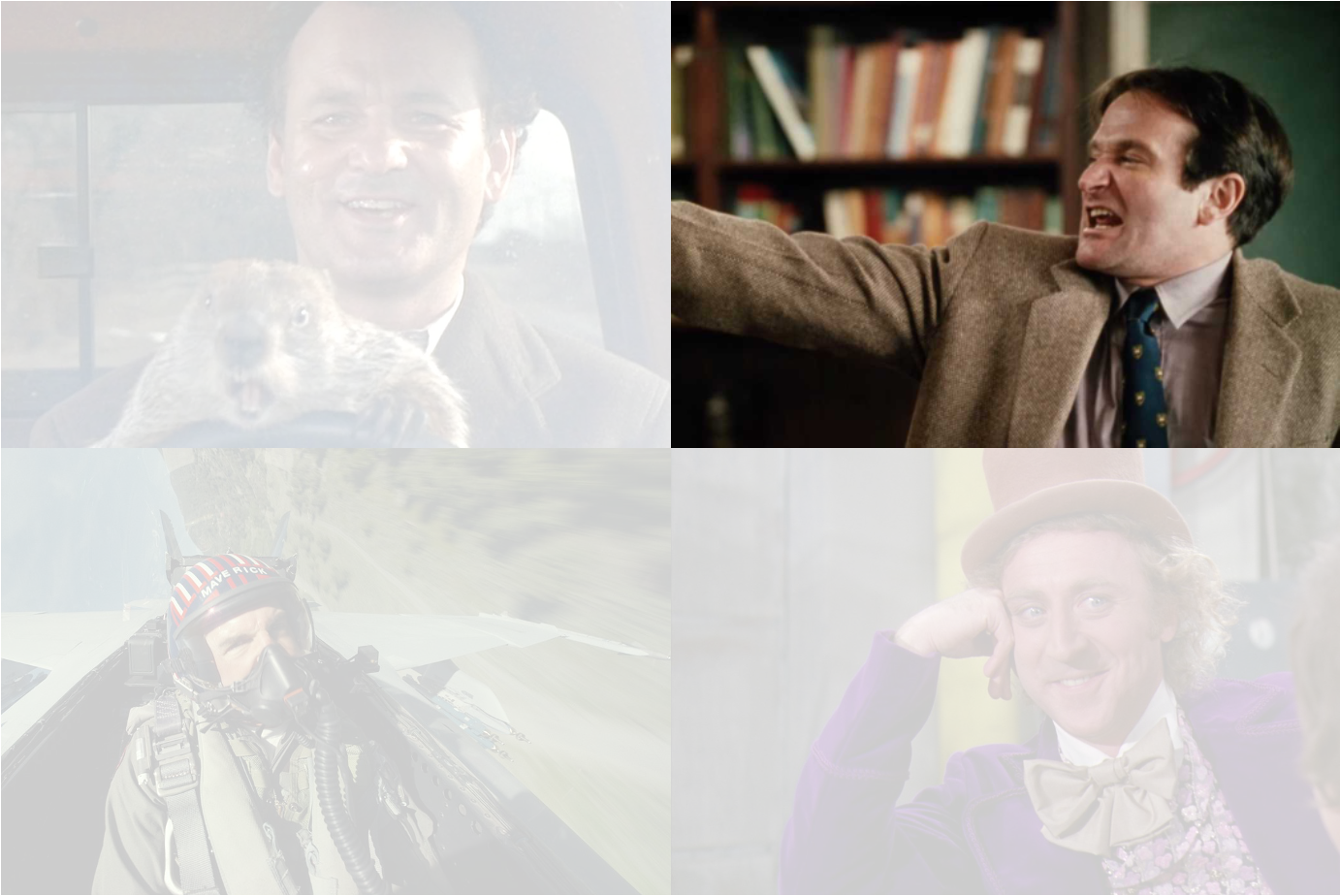
Maverick: Take back the seat.
[Image: Maverick, TopGun]
They keep saying the human's obsolete. Maybe so. But not today.
Every technological revolution produces a counter-movement.
The more digital our lives become, the more we crave physical experiences. The more content gets generated, the more we value genuine craft. The more automation expands, the more we prize anything visibly, unmistakably human.
This future is built around restraint… not because technology fails, but because people choose to stay in the seat.
It’s the Maverick problem, made literal. The system insists the pilot is obsolete. The drone is faster, cheaper, more efficient, never afraid. By every measure on the dashboard, the human should be retired. And the entire story is one man refusing to hand over the relationship between himself and the work - insisting that some things are not the machine’s to fly.
This isn’t nostalgia. It’s agency. The choice to own your place rather than supervise an automated solution. To stay embodied in the work instead of outsourcing it to the system that promised to do it for you.
Consumers feel the same pull. They begin rejecting infinite optimisation. Not consciously at first, but culturally, emotionally, instinctively. They start valuing things precisely because they’re human: handmade products, live events, real communities, deep expertise, craftsmanship, original thought.
This creates a very different strategic question. It’s no longer “How do we automate more?” It becomes:
“Where should we deliberately choose not to automate?”
Because strategy has always been as much about exclusion as inclusion. Knowing what not to do. Knowing where not to compete. Knowing what should remain human and what should stay in your own hands.
Take back the seat.
In this future, marketers rediscover something that existed long before digital platforms: the value of direct relationships.
For years, brands outsourced their audience relationships to intermediaries - social platforms, retail media networks, marketplaces, search engines, influencer ecosystems. The trade was always the same:
Speed in exchange for ownership
Reach in exchange for control
Convenience in exchange for independence
Eventually the bill arrives. Brands realise they rented audiences rather than built them.
So the focus shifts back toward assets they actually own: communities, memberships, newsletters, events, content ecosystems, brand platforms. Not because paid media disappears - it doesn’t - but because owned media becomes strategically valuable again.
The brands that thrive in this future aren’t necessarily those with the biggest media budgets. They’re the ones with the strongest relationships, the strongest communities, the strongest narratives - the strongest reasons for people to come back voluntarily.
They’re the ones who stayed in the seat… to the people that always claim X, Y, Z is dead… maybe… but not today.
Future Four: Transformation
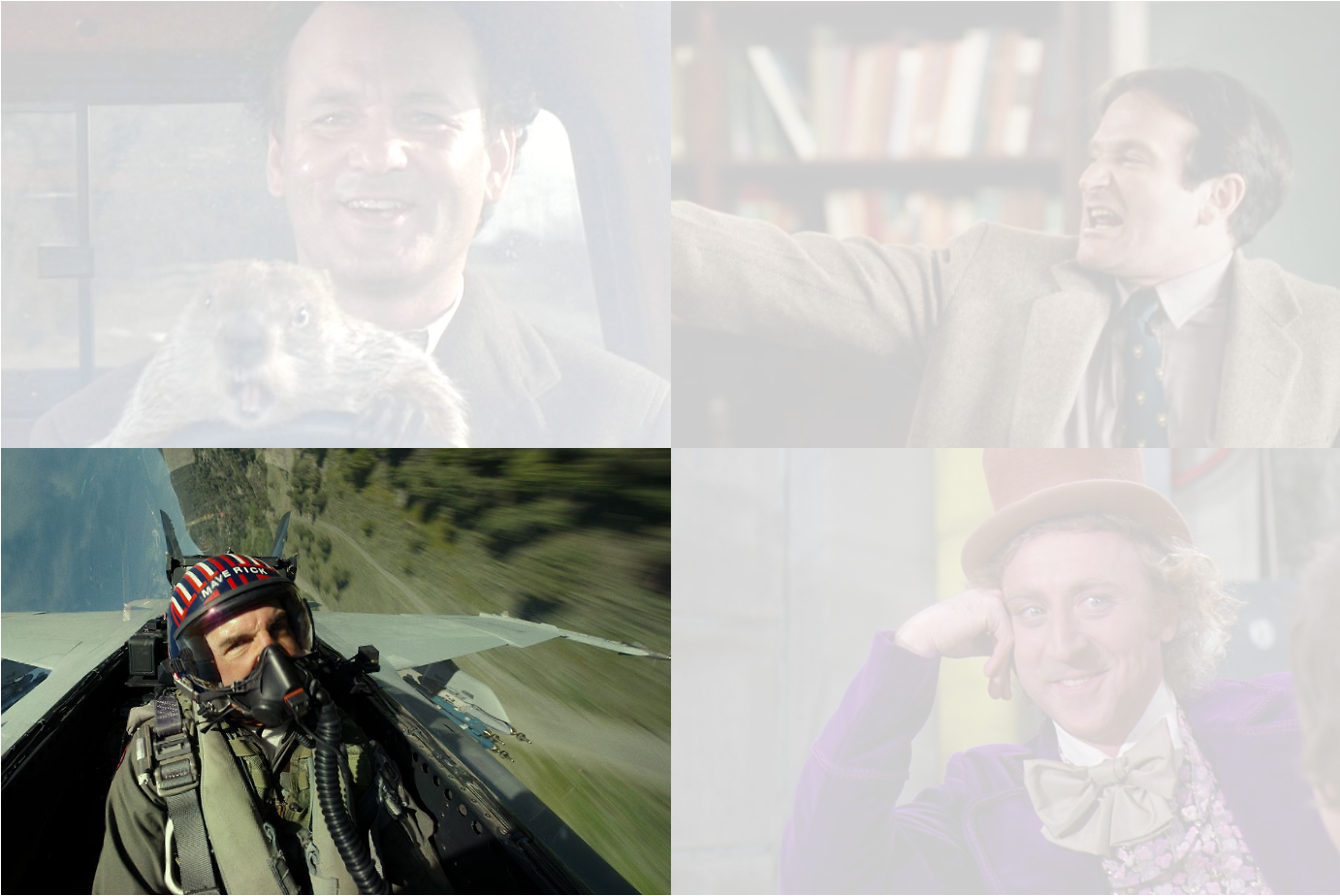
Pure Imagination: The ‘new’ role of the agency.
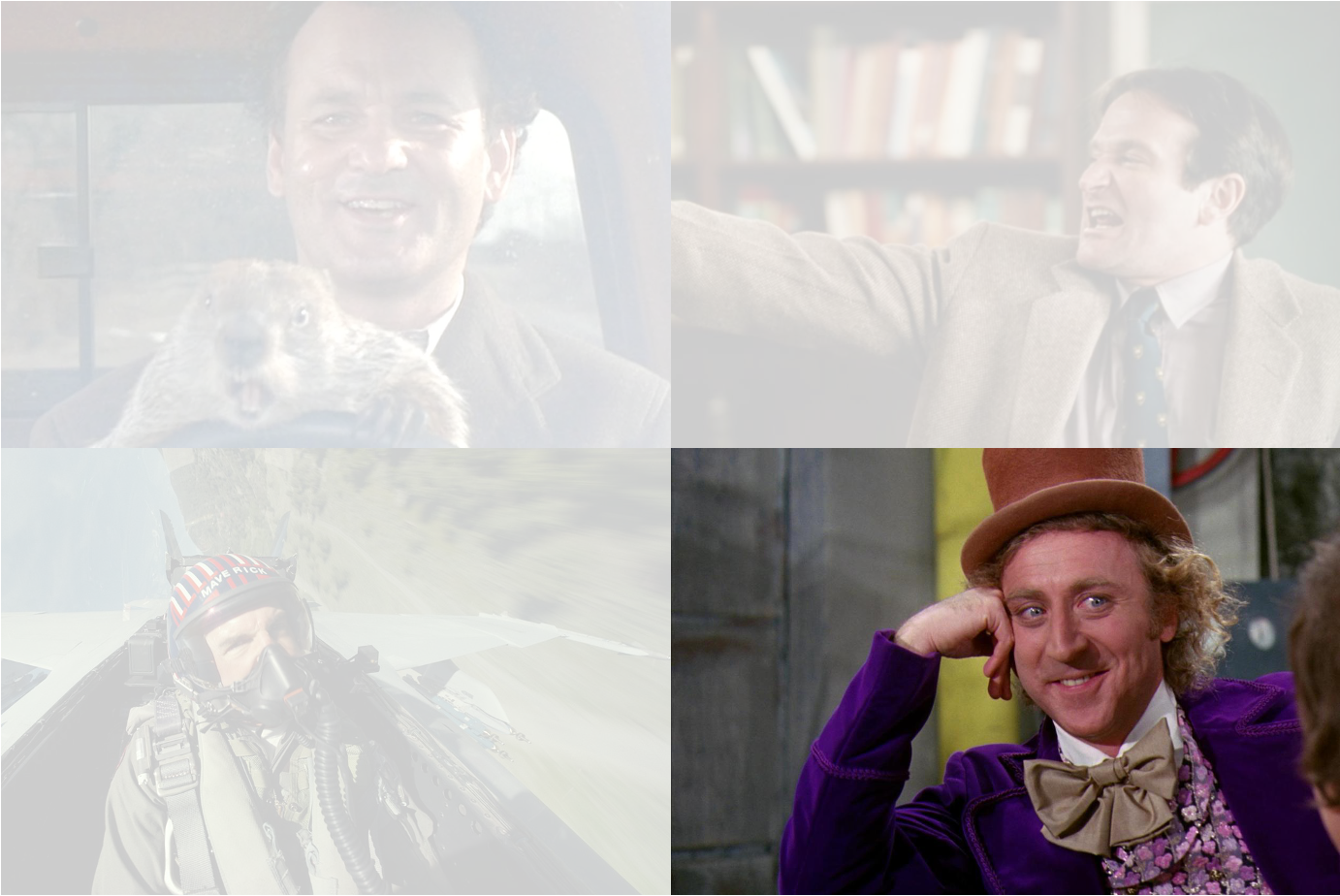
[Image: “Pure Imagination,” Willy Wonka & the Chocolate Factory]
Where the rules of reality stop applying.
This is the most optimistic future, and perhaps the most radical.
Here, AI succeeds in automating the operational work - the planning, the formatting, the reporting, the optimisation, the administration, the workflows. The machine handles the machine work. And humans return to human work.
For the first time in decades, marketers are liberated from operational complexity. This doesn’t make strategy less important. It makes it more important. Because of a simple inversion:
When execution becomes abundant, ideas become scarce. When content becomes infinite, meaning becomes valuable. When production becomes free, imagination becomes expensive.
This is the shift from the Information Age to what we might call the Imagination Age… “Pure Imagination”.
The competitive advantage is no longer access to information - everyone has that. The advantage becomes interpretation, creativity, narrative, originality, perspective, taste, and judgment.
The machine can generate answers. Humans still decide which questions matter.
The ‘new’ role of the agency.
In this transformed world, agencies stop selling certainty and start selling possibility. They stop minimising risk and start maximising opportunity. They stop producing outputs and start creating ideas.
The most valuable agencies won’t be those with the best process - process becomes commoditised. They’ll be the ones capable of generating ideas that break patterns. Ideas that create cultural momentum. Ideas that travel. Ideas communities adopt and spread. Ideas that live far beyond paid media.
Because the greatest growth has never come from optimisation. It comes from asymmetry. Doing what others aren’t doing. Seeing what others can’t see. Creating what others can’t replicate.
Going deeper down the rabbit hole towards pure imagination.
What Holds True Across All Four
The real value of scenario planning isn’t picking the winning future. It’s identifying what stays true across every future.
Look at Continuation, Collapse, Discipline, and Transformation together, and a handful of principles emerge in all of them.
1. Build narrative, not campaigns. Campaigns end. Narratives compound. The brands that win possess stories that travel across channels, formats, communities, and technologies. The platform matters less; the meaning matters more.
2. Invest beyond measurement. Not everything valuable can be measured immediately. Not everything measurable is valuable. Organisations need room for experimentation and creativity… ideas that don’t fit neatly into a quarterly reporting cycle. Without that room, every company eventually optimises itself into sameness.
3. Own more than you rent. Platforms matter. Paid media matters. Performance matters. But direct relationships matter too - communities, subscribers, members, customers who return on their own. In uncertain futures, owned assets become the most resilient ones you have.
4. Let AI handle the logic. Use AI aggressively wherever it creates efficiency: planning, analysis, reporting, production, workflow, administration. But don’t mistake efficiency for strategy. The goal isn’t doing the same things faster. It’s creating more time for better thinking.
5. Protect the human advantage. As automation expands, uniquely human capabilities become more valuable, not less-curiosity, empathy, taste, judgment, creativity, storytelling, imagination. These aren’t inefficiencies to be engineered away. They’re the competitive advantage.
The Real Choice Ahead
The biggest mistake we could make is framing the future as a contest between humans and AI. That’s not the real question.
The real question is: What kind of industry do we want AI to help us build?
One where every decision is optimised-or one where optimisation creates room for imagination? One where machines replace thinking-or one where they free us to think better?
The future will almost certainly contain pieces of all four scenarios. Some parts of marketing will become fully automated. Some will collapse under the weight of their own success. Some will trigger a human-led backlash. And some will be transformed entirely.
So the strategic challenge isn’t predicting which future wins. It’s deciding which future you are preparing for.
Maybe It Was Never About the Systems
I’ve spent this whole piece talking about machines, models, platforms, and futures. But the more I sit with it, the more I think the answer has very little to do with any of them.
Maybe the answer is simpler, and harder.
Maybe it’s about the people you surround yourself with. The right humans to collaborate with. The right range of ideas to draw from. More questions. Better questions. Curious questions-the kind that collide with your own and produce something neither of you arrived at alone.
Maybe it’s not about the systems at all.
Maybe it goes back to something far older than any algorithm: human thought. Curiosity. Depth. The willingness to sit with friction instead of reaching for the easy option just because it’s frictionless.
There’s a point worth holding onto here about process. That the value isn’t only in producing the output faster-it’s in the thinking the process forces you to do along the way. When we automate away the friction, we sometimes automate away the part where the real ideas were hiding.
AI can make almost everything quicker. But quicker has never been the same as better. And the things that actually make this work worth doing-the surprising idea, the argument that sharpens your thinking, the collaborator who sees what you missed-none of those come from speed.
So I don’t have a tidy conclusion. I’m not sure anyone honestly does.
But here’s the one thing I do know: I want to have more fun doing this.
More interesting problems. Better people in the room. Stranger questions. Bigger ideas.
It’s fun to fight towards the edges and find value that hasn’t been found yet. It’s something that’s worth fighting for.
🐰
🕳️